Prepare your vehicle for a tow
A few minutes of prep before the tow truck arrives saves time, avoids damage, and makes the whole call go faster.
What you'll learn
- What to take out of the car before it goes on the flatbed
- Whether to disconnect the battery (usually no - but sometimes yes)
- Why photographing the vehicle beforehand protects you
- What transport mode is and when your EV needs it
Step by step
- Remove valuables, registration, and any loose items inside the cabin.
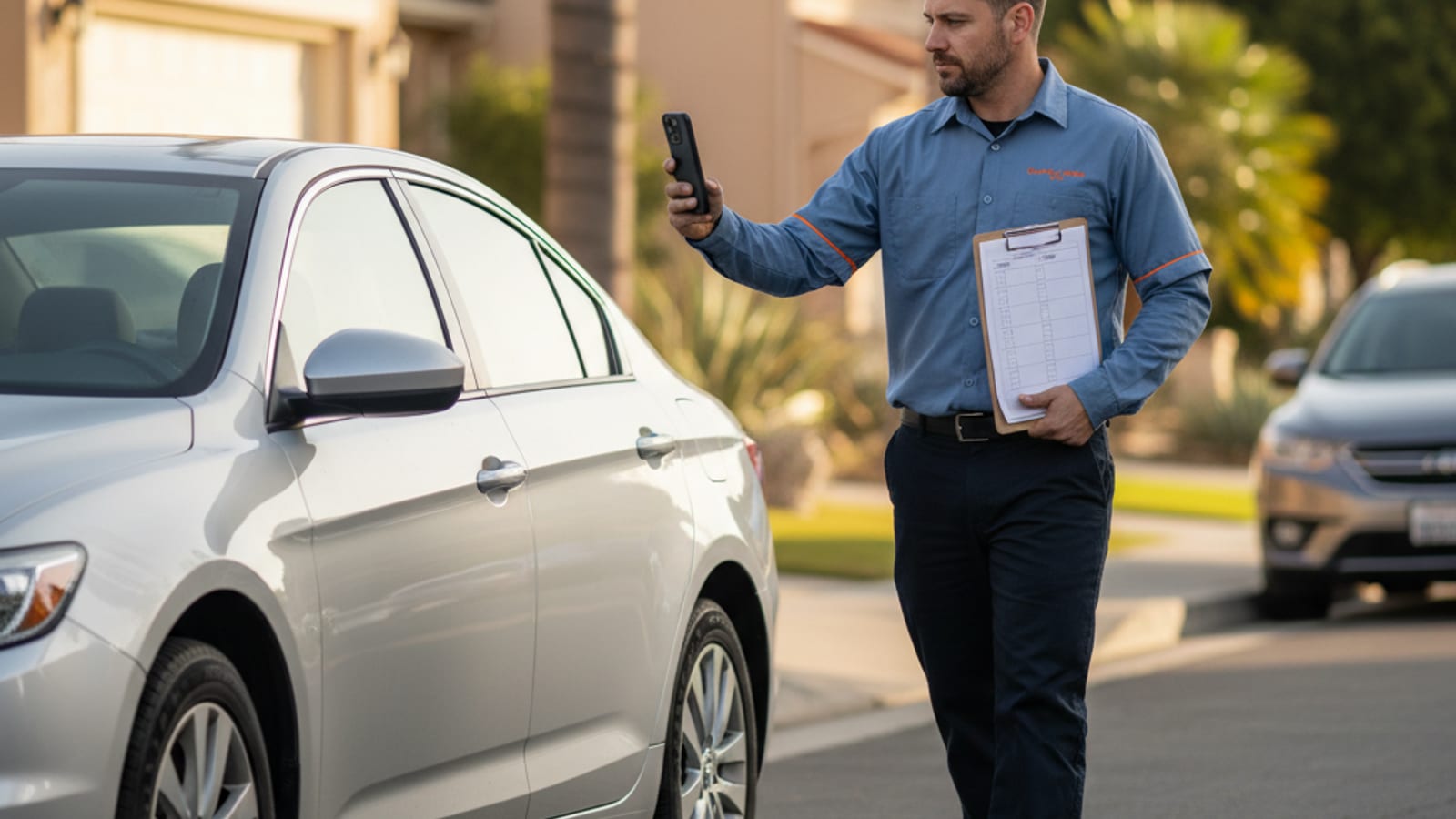
- Photograph all four sides of the car before loading. Save the photos.
- If the car has an alarm, turn it off or disable motion sensing.
- For EVs: engage transport mode per your owner's manual.
- Note any pre-existing damage and point it out to the driver.
- Leave fuel in the tank unless the driver tells you otherwise.
Photos before the tow protect both you and the driver. Ask the assigned operator whether they photograph the load; your photos still back up the story.
The truck type changes how your car is prepared
A flatbed carries all four wheels off the road. A wheel-lift raises two wheels while the other two roll. That difference matters before the assigned operator leaves for your location.
Give the dispatcher the year, make, model, and drivetrain. Say whether the car is all-wheel drive or four-wheel drive. Mention low ground clearance, a locked steering column, or wheels that won't turn. If the car is stuck in park, say that too.
Describe what the car can still do:
- Can it start and stay running?
- Can it shift into neutral?
- Can the steering wheel turn?
- Do all four wheels roll?
- Are any tires flat, missing, or pushed out of position?
- Is the car in a garage, tight alley, or low-clearance structure?
An all-wheel-drive or four-wheel-drive vehicle may need all four wheels kept off the road. A low car may need a flatbed with a loading angle that clears its bumper and underside. A car with locked steering or damaged wheels needs a different loading plan than one that rolls freely.
The assigned operator chooses the truck and loading method. Your job is to describe the car accurately. That gives the operator the best chance of bringing suitable equipment the first time.
Transport mode and neutral aren't the same on every car
Many electric cars control their parking brake, steering lock, and drivetrain through software. Turning the car on doesn't always make it ready to roll. Some models have a transport mode, tow mode, car-wash mode, or a separate procedure for releasing the parking brake.
Use the instructions in your owner's manual or the manufacturer's official app. Don't rely on a sequence remembered from another model. Procedures can change between model years, even when the cars look alike.
If the car won't shift into neutral, tell the dispatcher before the truck rolls. Don't force the shifter or drag the car with locked wheels. The operator may need loading aids or a different truck. The same warning applies when the battery is too weak to release an electronic parking brake.
Keep the key or key fob available. If a phone acts as the key, make sure it has enough charge to complete the loading and drop-off process.
A useful walk-around records specific details
Your photos should create a clear record of the car before loading. Use time-stamped images if your phone offers them. Take one clear photo of each side, then photograph every wheel and the lower edges beneath both bumpers and side panels.
Capture the odometer and fuel or battery level. Take close photos of existing scratches, cracked glass, loose trim, warning lights, bent wheels, and damaged body panels. Stand far enough back for one photo to show where each close-up belongs.
Write down these details before the car leaves:
- The assigned operator's name.
- The truck number or another identifying number.
- The full destination address.
- The name of the repair shop, lot, or person receiving the car.
- Who can release the car after it arrives.
If the destination is a City of Boston tow, the city lot is at 200 Frontage Road. Its published charge is $90 for the tow and $3 per hour, up to $15 per day, for storage. Outside Boston, each town runs its own impound process and uses its own contracted towing company.
Give the operator the full trip before dispatch
Start with your exact location. A street address is best. Add the nearest cross street, highway exit, or mile marker when the address could send the truck to the wrong entrance. Mention a parking-garage level, locked gate, narrow driveway, loading dock, or other access limit.
Then provide the destination and confirm whether someone must meet the car there. A repair shop may need the key placed in a drop box. A private lot may need permission before the vehicle arrives. Ask who will release the car if it's going to an impound lot.
Before dispatch, ask the assigned operator to state the price for the job. Explain the vehicle's condition, pickup access, and destination first so the quote reflects the trip you described. Quick Tow Boston connects you with an independent local operator. The operator taking the job sets and states the price.
For a non-consensual tow outside Boston, state DPU maximums under 220 CMR 272 may apply. Those maximums are $132 for a base tow within five miles, $4.40 for each mile after five, and $35 per 24 hours for fenced-and-lit storage.
Rather have a pro handle it?
Towing and roadside service across Greater Boston. One local line, taking calls any hour.
Keep learning.
Jump-start a dead battery safely
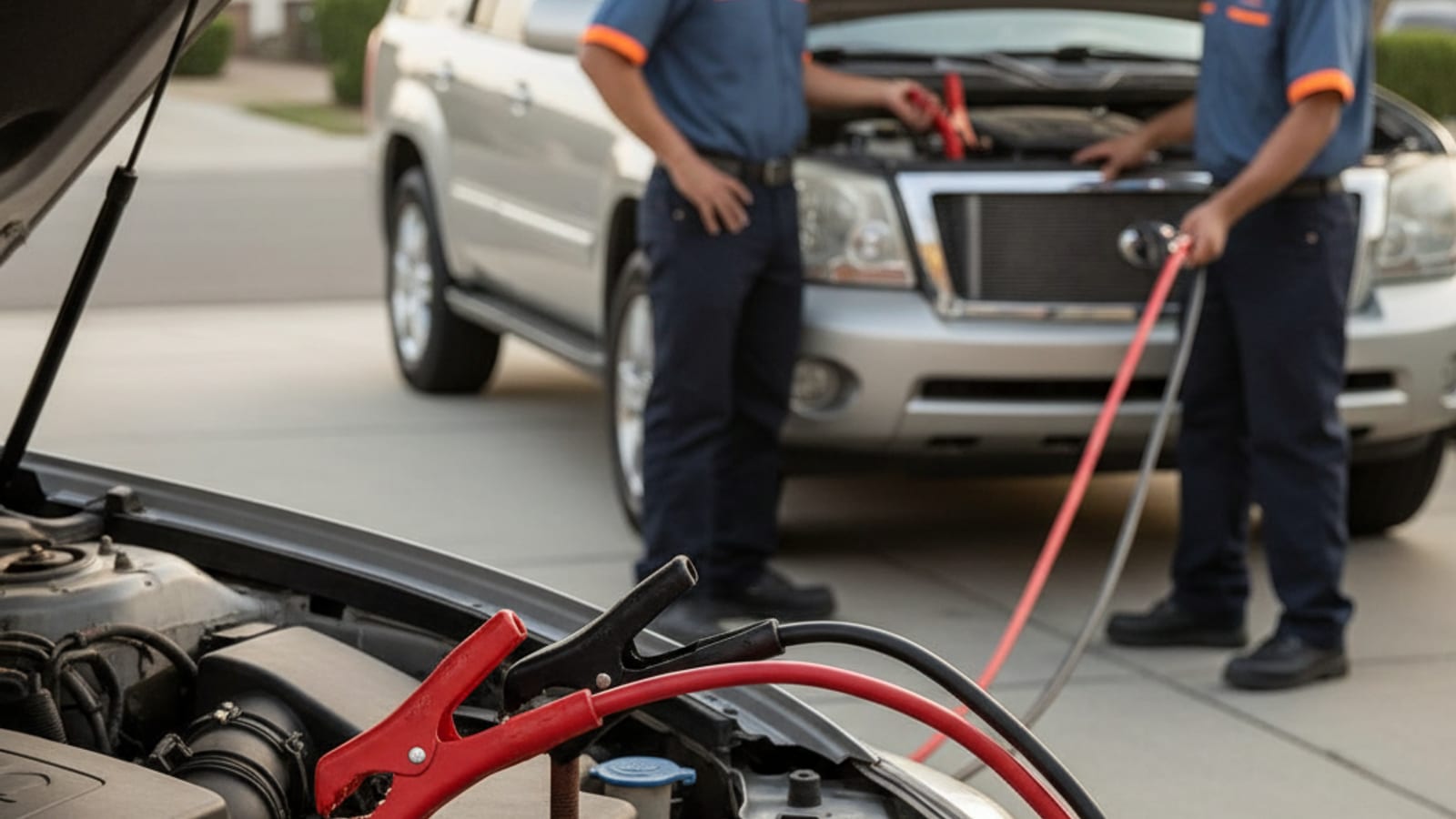
Turn both cars off. Connect red to the dead battery's positive terminal, then red to the donor's positive. Connect black to the donor's negative. Attach the last black clamp to bare metal on the dead car's engine block, not its battery, to avoid sparks there. Start the donor, wait, start the dead car, then let it run before driving.
Change a flat tire on the side of the road
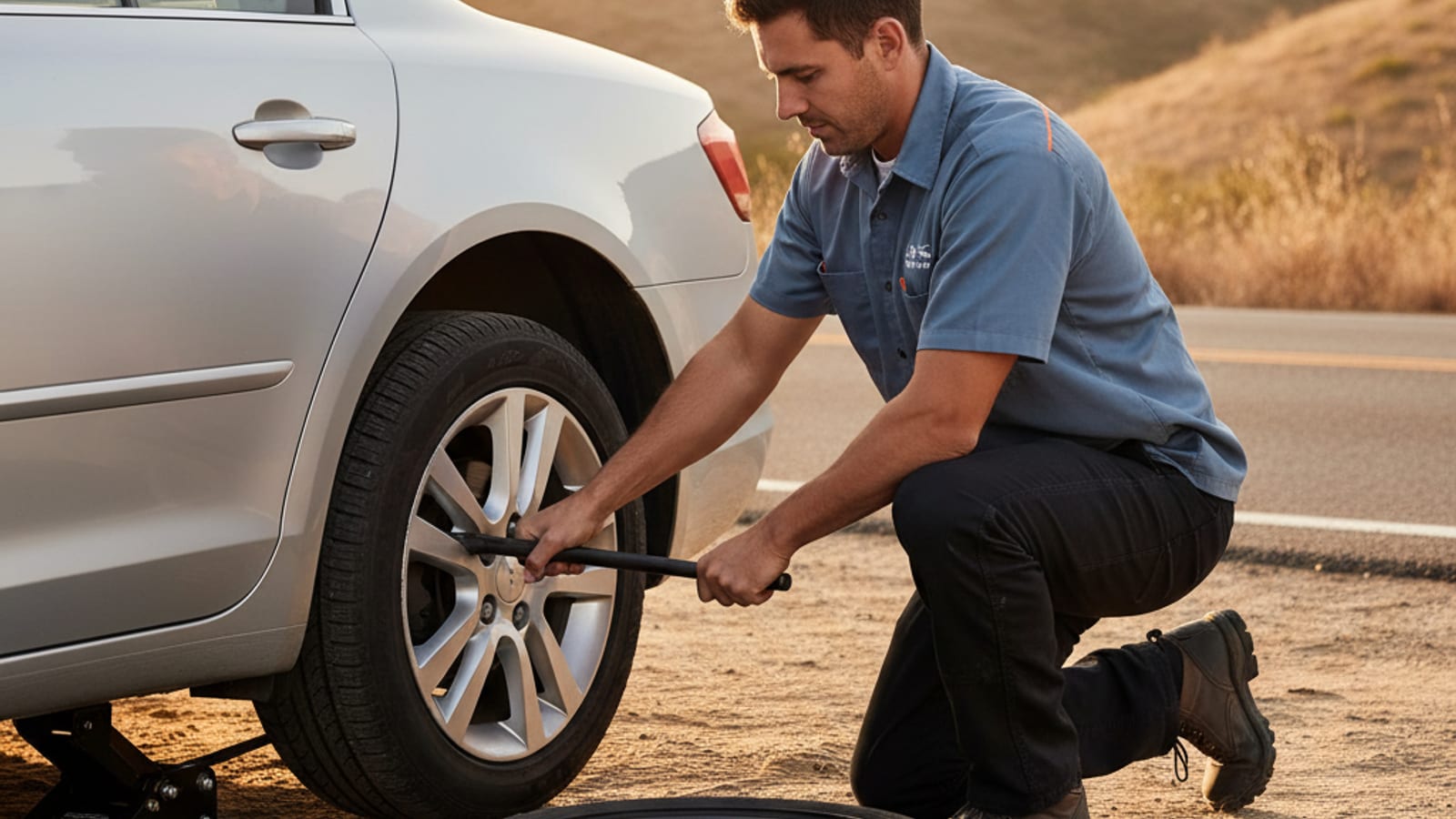
The difference between a 20-minute shoulder stop and an hour on the phone with a tow company is knowing where the spare and jack live before you need them.
What to do if you slide on ice or hit a flooded street
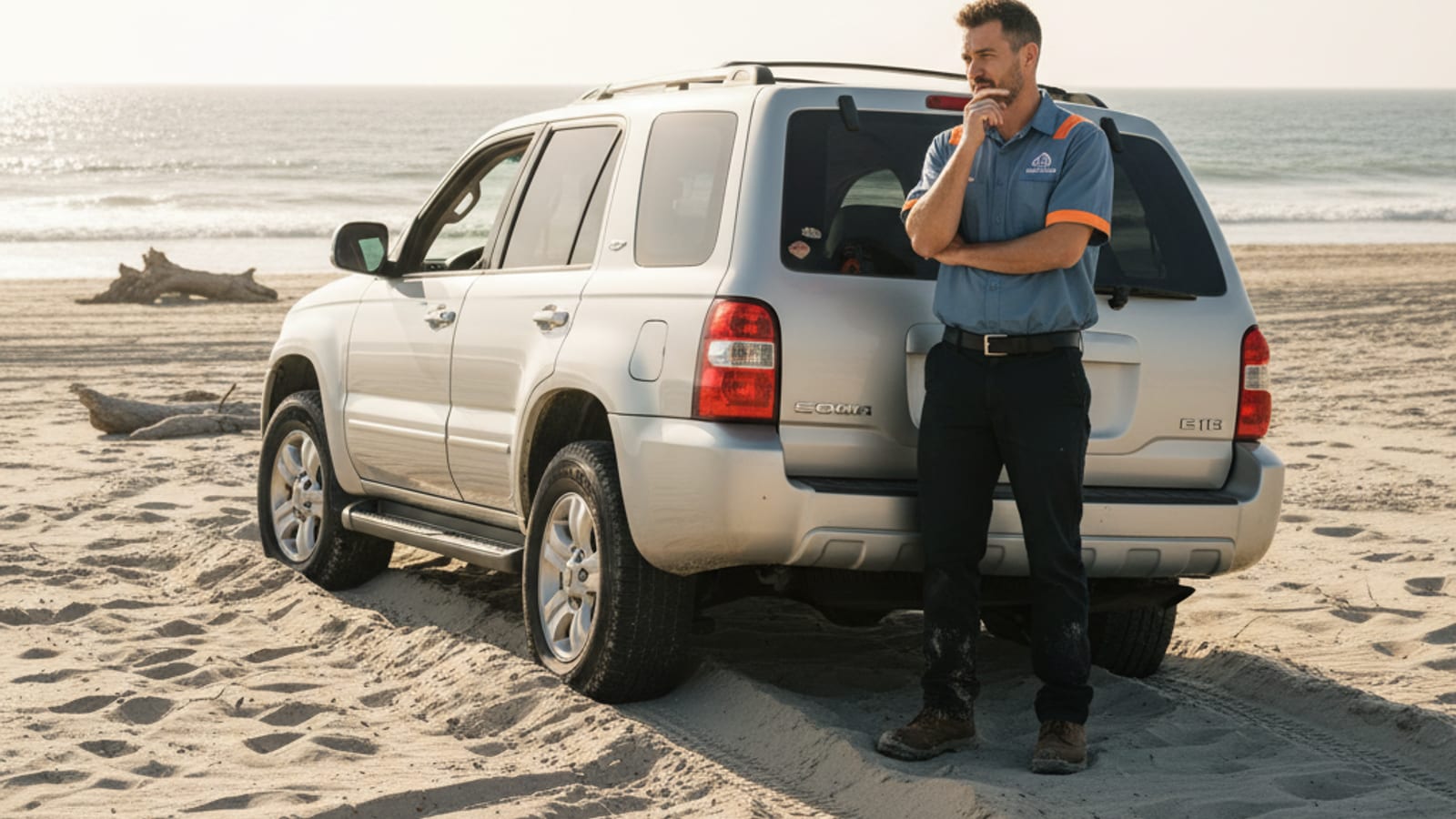
Boston winters glaze bridges and ramps before flat streets, and a coastal storm or a king tide floods low waterfront streets faster than it looks. First step: stop making it worse.